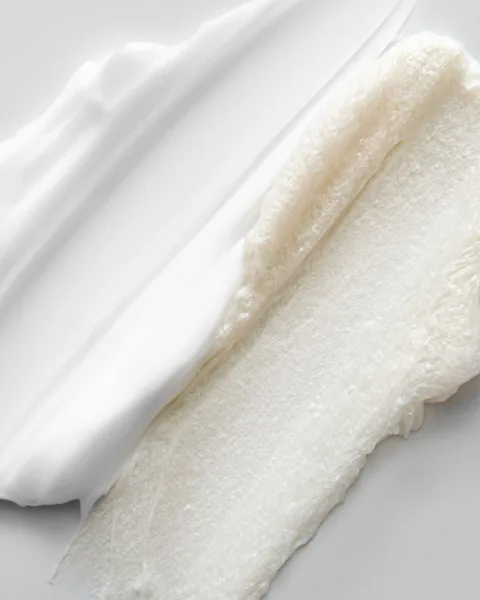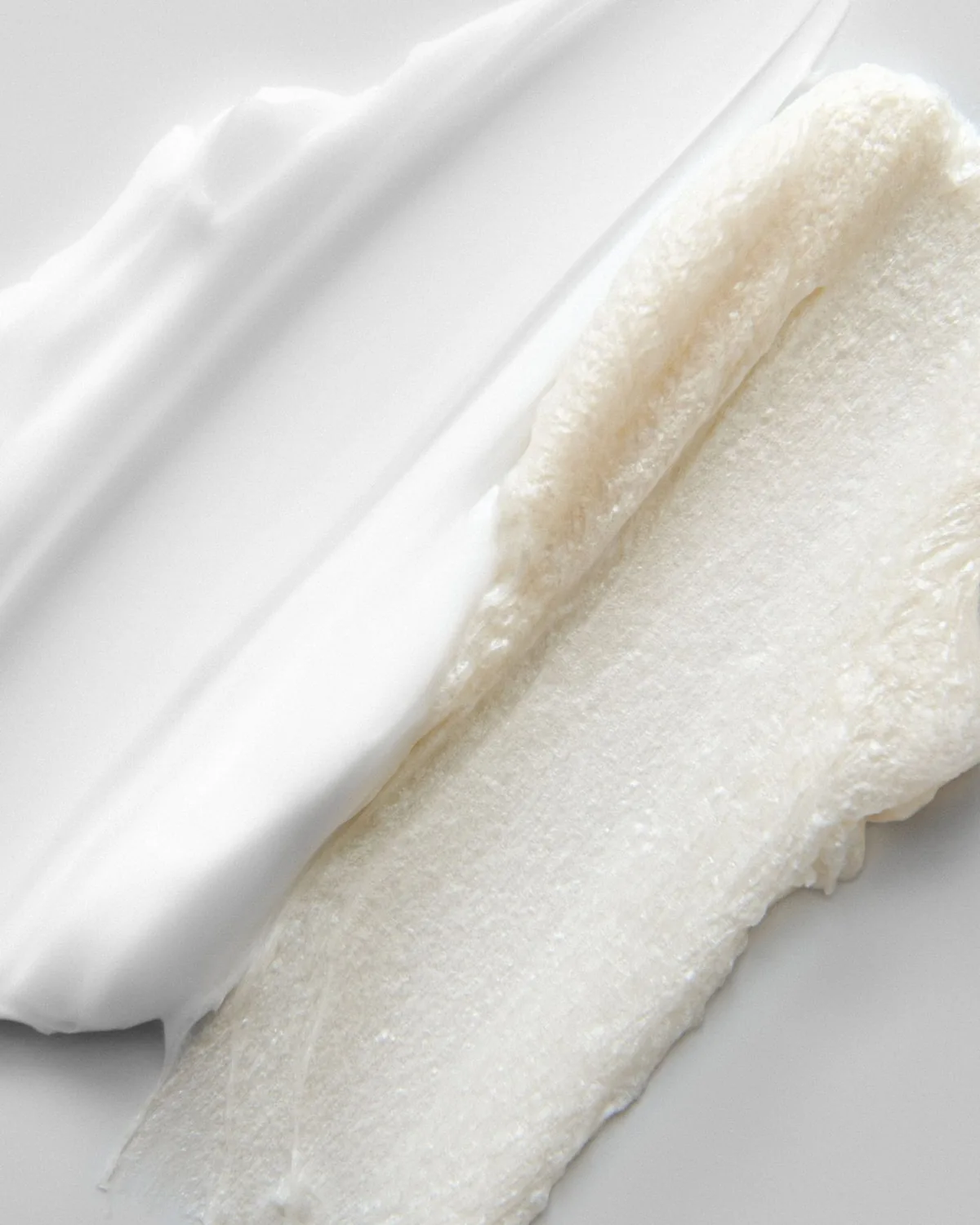
Why start with a simple base
When making a first gel serum, it is tempting to add many actives at once. That makes it difficult to identify what changes tackiness, clarity, pH or viscosity. A more useful starting point is a short water-based formula in which every component has a clear technical role.
Educational base for 100 g
- Aqua — 91.0%: the water phase.
- Glycerin — 4.0%: a humectant and a medium for pre-dispersing the thickener.
- Betaine — 2.0%: complements the moisturising profile.
- Panthenol — 1.0%: a water-soluble conditioning ingredient.
- Hydroxyethylcellulose — 1.0%: a non-ionic polymer used to build a gel structure.
- Phenoxyethanol (and) Ethylhexylglycerin — 1.0%: an example preservative system.
Total: 100.0%. This is an editorial educational starting point, not a tested formula of PIBU LTD, PIBU LAB or OMEXYA, and it is not a ready-to-sell recipe. The commercial grade of each ingredient, its actual composition and the supplier's documentation take precedence over the generic INCI name.
Practical procedure
Use clean equipment and record the quantities actually weighed. Blend Hydroxyethylcellulose with glycerin to form an even slurry without dry pockets. In a separate vessel, dissolve betaine and panthenol in the water. Add the glycerin dispersion to the water phase with moderate mixing and allow the selected polymer grade to hydrate according to its technical data sheet. Once the structure has developed, add the preservative system and mix until uniform without unnecessarily incorporating air.
Measure pH after full hydration rather than assuming it. If adjustment is required, use a suitable dilute acid or alkali solution, record the actual quantity and reduce the water by the same percentage in the next version. Set the target pH only after reviewing the documents for the specific ingredients, packaging and intended use.
What to verify first
Prepare small variants with 0.6%, 0.8% and 1.0% Hydroxyethylcellulose, adjusting water to 100%. After 24 and 48 hours, compare clarity, lumps and bubbles, pH, viscosity, spreading, tackiness and operation with the intended pump or dropper. The same INCI ingredient may be offered in different viscosity grades, so results cannot be transferred automatically between suppliers.
Ashland describes Natrosol™ 250 HEC as a water-soluble, non-ionic polymer for personal-care applications. The same supplier presents euxyl™ PE 9010 as a liquid broad-spectrum preservative. These are supplier statements, not proof that this base is adequately protected. A commercial product requires stability and packaging-compatibility work, a safety assessment and a justified evaluation of antimicrobial protection, for which ISO 11930:2019 provides a reference approach. Cosmetic products placed on the EU market remain subject to Regulation (EC) No 1223/2009.